Interventional Radiology in Surat: Understanding Image-Guided Care
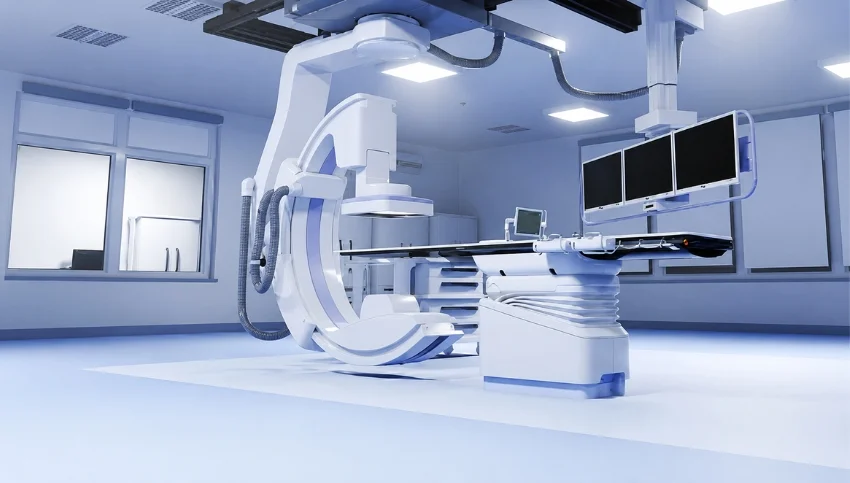
Interventional Radiology is a specialized area of radiology that uses medical imaging to guide minimally invasive procedures for selected diagnostic and therapeutic purposes. Depending on the procedure, interventional radiologists may use X-ray or fluoroscopy, ultrasound, CT or MRI guidance to navigate small instruments such as needles and catheters to a specific area of the body.
For patients searching for Interventional Radiology in Surat, understanding how these procedures work, when they may be recommended, what preparation involves and how they differ from conventional surgery can make the treatment journey easier to understand.
What Is Interventional Radiology?
Interventional Radiology, often abbreviated as IR, combines medical imaging with minimally invasive techniques.
Instead of making a large surgical incision, an interventional radiologist may use a small skin opening to introduce a needle, wire or catheter and guide it toward the treatment area using real-time imaging.
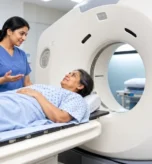
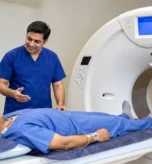
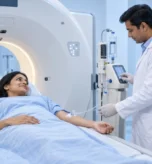
The imaging system helps the specialist see the target area and guide the instrument accurately. Depending on the clinical situation, procedures may use fluoroscopy, ultrasound, CT or MRI guidance.
This approach can be used for selected vascular conditions, fluid collections, biopsies, bleeding control, certain tumor treatments and other procedures.
How Does Image-Guided Intervention Work?
The exact steps vary according to the procedure.
Generally, the process may involve:
- Clinical evaluation – The doctor reviews symptoms, medical history and previous investigations.
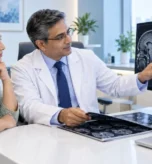
- Imaging review – Existing CT, MRI, ultrasound or other scans may be evaluated.
- Procedure planning – The appropriate technique and image-guidance method are selected.
- Patient preparation – Instructions regarding fasting, medications and other precautions may be provided.
- Image guidance – The radiologist uses appropriate imaging to locate the target area.
- Minimally invasive access – A needle, catheter or other instrument may be introduced through a small skin opening.
- Targeted procedure – The required diagnostic or therapeutic intervention is performed.
- Post-procedure monitoring – The patient is observed according to the procedure and clinical requirement.
The specific technique, sedation and recovery requirements depend entirely on the individual procedure.
What Imaging Techniques Are Used?
Interventional radiologists can use different imaging technologies depending on the procedure.
X-Ray and Fluoroscopy
Fluoroscopy provides real-time X-ray images and is commonly used to guide catheters and other instruments through blood vessels or to specific anatomical locations.
Ultrasound Guidance
Ultrasound provides real-time imaging without ionizing radiation and can be useful for guiding selected needle-based procedures.
CT Guidance
CT can provide detailed cross-sectional anatomical information and may be used to guide certain biopsies, drainage procedures and other interventions.
MRI Guidance
MRI can be used for selected image-guided procedures where its soft-tissue contrast and imaging capabilities are clinically appropriate.
The choice of imaging guidance depends on the patient’s condition, target area, procedure type and specialist assessment.
What Procedures Are Performed in Interventional Radiology?
Interventional Radiology includes a broad range of procedures. The exact services available at a centre can vary.
Image-Guided Biopsy
A biopsy may involve using imaging guidance to position a needle accurately within an area of concern and obtain tissue for laboratory analysis.
Depending on the location, ultrasound, CT or another imaging method may be used to guide the needle.
Fluid and Abscess Drainage
When fluid or an abscess needs to be drained, an interventional radiologist may use image guidance to place a drainage catheter accurately into the collection. This can provide a targeted alternative to more invasive surgical drainage in selected cases.
Angiography
Angiography uses imaging and contrast material to visualize blood vessels.
It can help doctors identify narrowing, blockage, abnormal vessels or other vascular conditions and may also be part of a treatment procedure.
Angioplasty and Stenting
In selected cases of narrowed or blocked blood vessels, angioplasty can use a balloon catheter to improve blood flow. A stent may sometimes be placed to help keep the vessel open. These procedures are performed using image guidance.
Embolization
Embolization involves placing a material through a catheter to intentionally block blood flow to a specific vessel or area.
Depending on the clinical indication, embolization may be used to control or prevent bleeding, treat certain abnormal blood vessels, or reduce blood supply to selected tumors.
Catheter-Directed Thrombolysis
In selected cases of vascular blockage caused by a blood clot, medication may be delivered directly to the clot through a catheter. Mechanical techniques may also be considered depending on the condition.
Tumor Ablation
Certain tumors may be treated using image-guided thermal ablation techniques.
Depending on the clinical situation, heat or extreme cold can be used to destroy targeted tumor tissue. Techniques include radiofrequency ablation, microwave ablation and cryoablation.
What Are the Benefits of Interventional Radiology?
For appropriately selected patients, image-guided minimally invasive procedures may offer several potential advantages compared with some traditional open surgical approaches.
These may include:
- Smaller skin incisions
- Targeted access to the treatment area
- Reduced tissue disruption
- Potentially less pain for some procedures
- Shorter recovery for certain interventions
- Reduced hospital stay in selected cases
- Real-time imaging guidance
- Ability to treat specific areas with precision
However, these benefits vary significantly depending on the procedure and patient’s health. Interventional Radiology is not a replacement for every surgical treatment.
The most appropriate treatment should always be decided by the treating medical team after evaluating the patient’s individual condition.
Interventional Radiology vs Traditional Surgery
One of the biggest differences is the way the target area is accessed.
Traditional surgery may require a larger incision to reach the affected area. In selected IR procedures, a specialist can access the target through a small skin opening and use imaging to guide instruments.
This may reduce tissue disruption and recovery time for some procedures. However, the choice between interventional treatment and surgery depends on the disease, anatomy, procedure requirements and patient’s overall health.
In some cases, Interventional Radiology and surgery are complementary rather than competing approaches.
Is Interventional Radiology Safe?
Like every medical procedure, image-guided interventions have potential risks.
The risk depends on the specific procedure, the treatment area, the patient’s medical history and whether contrast material or sedation is used.
Possible complications may include bleeding, infection, injury to surrounding structures, allergic or other reactions to contrast material, blood vessel complications or other procedure-specific risks.
Before the procedure, the medical team should explain the expected benefits, possible risks and available alternatives.
How Should You Prepare for an IR Procedure?
Preparation depends on the specific intervention.
Patients may be advised to:
- Follow fasting instructions if required.
- Inform the medical team about all medications.
- Mention blood-thinning medicines.
- Inform the doctor about allergies.
- Discuss kidney problems if contrast may be used.
- Inform the team about pregnancy or possible pregnancy.
- Bring previous imaging reports and relevant medical records.
- Follow instructions regarding medication adjustments.
- Arrange transportation home if sedation is expected.
Do not stop blood thinners or other prescribed medicines on your own. Medication changes should only be made according to instructions from your treating medical team.
Some image-guided procedures require sedation or anesthesia, while others may be performed with local anesthesia alone. The exact approach depends on the procedure.
What Happens After the Procedure?
After an intervention, the medical team may monitor your blood pressure, pulse, oxygen level and the procedure site.
The duration of observation depends on the procedure, medications used and the patient’s overall condition.
Some minimally invasive procedures may allow patients to return home the same day, while others may require longer observation or hospitalization.
Your doctor will provide specific instructions regarding activity, wound care, medication and follow-up.
Interventional Radiology for Cancer Care
Interventional Radiology can play a role in selected cancer treatments.
Image-guided procedures such as tumor ablation can use imaging to precisely target certain tumors. Embolization-based treatments may also be used in specific situations to reduce blood flow to tumors or control bleeding.
The suitability of these treatments depends on the type, location, size and stage of the tumor, along with the patient’s overall health and previous treatments.
Cancer treatment decisions should be made through an appropriate multidisciplinary medical evaluation.
Interventional Radiology for Vascular Conditions
Vascular intervention is another important area of this specialty.
Depending on the condition, image-guided techniques may be used to diagnose or treat selected blood-vessel problems. Angioplasty, stenting, embolization and catheter-directed thrombolysis are examples of procedures that may be considered in appropriate cases.
The exact procedure depends on where the blockage, narrowing, bleeding or vascular abnormality is located.
Who Performs Interventional Radiology Procedures?
Interventional procedures should be performed by appropriately trained specialists.
An interventional radiologist is a physician trained in medical imaging as well as minimally invasive, image-guided procedures. The specialist works with other healthcare professionals to evaluate the patient, plan the intervention, perform the procedure and manage follow-up care.
How to Choose an Interventional Radiology Centre?
When considering an Interventional Radiology Centre in Surat, patients should look beyond equipment alone.
Consider:
- Appropriate imaging technology
- Qualified interventional radiology specialists
- Appropriate procedure protocols
- Patient monitoring facilities
- Infection-control practices
- Contrast safety procedures
- Emergency support when required
- Clear pre-procedure instructions
- Post-procedure monitoring and follow-up
- Coordination with the referring doctor
The right centre should be selected according to the specific procedure and clinical requirement.
Frequently Asked Questions
What is Interventional Radiology?
Interventional Radiology is a radiology specialty that uses medical imaging to guide minimally invasive diagnostic and therapeutic procedures.
Is Interventional Radiology a type of surgery?
It is different from conventional open surgery. Many IR procedures use small skin openings and image guidance to reach a target area. However, IR is still a medical intervention and may involve anesthesia, sedation or other procedural care depending on the treatment.
Is Interventional Radiology painful?
Pain varies by procedure. Local anesthesia and, when appropriate, sedation may be used to improve comfort. Your specialist will explain what you may experience before the procedure.
Does Interventional Radiology always require hospitalization?
No. Some procedures can be performed on an outpatient basis, while others may require observation or hospital admission depending on the intervention and the patient’s condition.
Is contrast material always required?
No. Some procedures require contrast to visualize blood vessels or other structures, while others may not. The decision depends on the procedure.
Can Interventional Radiology treat cancer?
Selected image-guided procedures, including certain tumor ablation and embolization techniques, may be used in cancer care. Suitability depends on the patient’s specific cancer and overall medical condition.
Can Interventional Radiology treat blocked blood vessels?
Certain vascular conditions can be treated using procedures such as angioplasty, stenting or catheter-directed thrombolysis when clinically appropriate.
What should I tell my doctor before an IR procedure?
Inform the medical team about your medications, allergies, previous reactions to contrast, kidney problems, other medical conditions and pregnancy or possible pregnancy.