DEXA Scan in Surat: Bone Density Testing for Better Bone Health
DEXA Scan in Surat is a specialized bone density examination used to measure bone mineral density and help assess bone health. Also known as DXA or bone densitometry, the test is commonly performed on the hip and lower spine and is widely used for evaluating osteoporosis and fracture risk. DEXA is a quick, non-invasive examination that uses a very small amount of X-ray radiation.
What Is a DEXA Scan?
A DEXA Scan, also called Dual-Energy X-ray Absorptiometry (DXA), is an imaging test designed to measure bone mineral density (BMD). It is considered an established standard for assessing bone density and is commonly used to help diagnose osteoporosis and evaluate the risk of fractures.
The examination most commonly measures the hip and lower spine, although other areas may be assessed depending on the patient’s age, medical condition and doctor’s recommendation.
Why Is a DEXA Scan Recommended?
Bone loss can develop gradually without obvious symptoms. A doctor may recommend a bone density test when there is a concern about reduced bone strength or an increased risk of fractures.
A DEXA examination may help:
- Measure bone mineral density
- Evaluate for osteoporosis
- Identify low bone mass
- Assess fracture risk
- Monitor changes in bone density
- Evaluate the response to treatment for bone loss
Bone density testing may be particularly relevant for people with certain risk factors, including older age, previous fractures, low body weight, family history of osteoporosis and certain long-term medication use.
DEXA Scan for Osteoporosis
Osteoporosis causes bones to become weaker and more fragile, increasing the possibility of fractures. Because bone loss may progress without noticeable symptoms, appropriate testing can help doctors identify reduced bone density and assess fracture risk.
DEXA results commonly include T-score and Z-score measurements. The T-score compares bone density with that of a healthy young-adult reference population, while the Z-score compares it with people of similar age and sex. Your doctor interprets these results together with other clinical risk factors.
How Does a DEXA Scan Work?
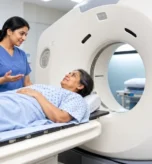
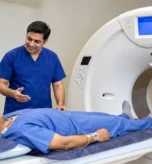
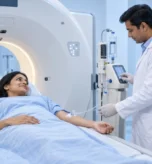
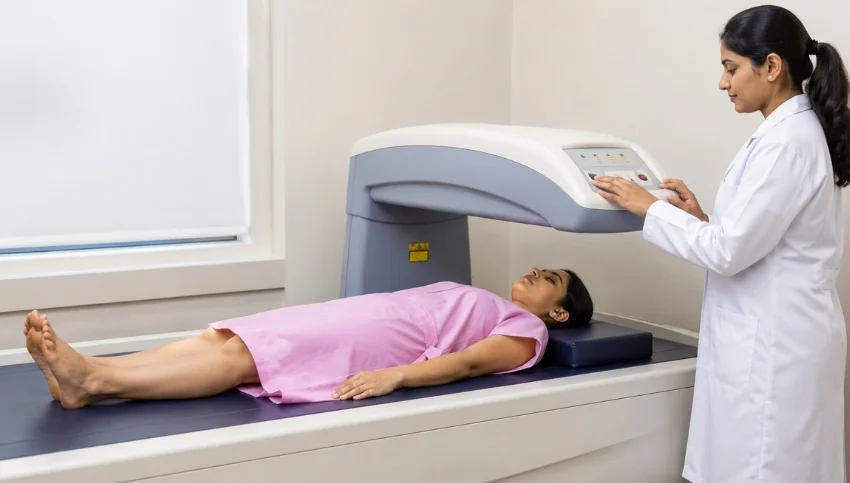
During the examination, the patient usually lies comfortably on a padded scanning table. The DEXA system uses two different low-dose X-ray energy levels to measure how the bones absorb radiation.
The system processes this information to calculate bone mineral density. A radiologist or appropriately trained physician reviews the examination and provides the diagnostic interpretation.
The scan is generally quick and painless, and many examinations are completed within approximately 10 to 30 minutes, depending on the equipment and areas being assessed.
What Are the Benefits of DEXA?
DEXA offers several important advantages for bone health assessment:
- Quick and non-invasive examination
- Minimal preparation for most patients
- Very low radiation exposure
- Reliable measurement of bone mineral density
- Useful for osteoporosis assessment
- Helps evaluate fracture risk
- Can be used to monitor treatment-related changes
DEXA does not require anesthesia, and no radiation remains in the body after the examination.
How to Prepare for a DEXA Scan?
Most patients require little or no special preparation. However, preparation instructions can vary.
Before your appointment:
- Follow the instructions provided by your doctor or diagnostic centre.
- Avoid calcium supplements for at least 24 hours before the examination unless your healthcare provider advises otherwise.
- Wear comfortable clothing without excessive metal.
- Remove jewellery or other metallic objects that may interfere with imaging.
- Inform the radiology team if you may be pregnant.
- Tell the team if you recently had a barium examination or received certain contrast materials.
Is a DEXA Scan Safe?
DEXA uses a very small dose of ionizing radiation. The examination is considered a low-dose imaging procedure, and it is performed when clinically appropriate.
If there is any possibility of pregnancy, inform your doctor or the radiology technologist before the scan so the need for imaging can be assessed appropriately.
Frequently Asked Questions
What is a DEXA Scan used for?
A DEXA Scan is primarily used to measure bone mineral density and help assess osteoporosis and fracture risk.
Is DEXA the same as a normal X-Ray?
No. Both use X-ray technology, but DEXA is specifically designed to measure bone mineral density using two different X-ray energy levels.
Is a DEXA Scan painful?
No. It is generally a quick and painless, non-invasive examination. You typically need to lie still while the images are acquired.
How long does a DEXA Scan take?
A typical examination may take around 10 to 30 minutes, depending on the equipment and areas being examined.
Who may need a bone density test?
Your doctor may recommend testing based on factors such as age, previous fractures, family history, bone-health concerns and certain medical or medication-related risk factors.
Why Choose Super Scan for DEXA Scan in Surat?
Super Scan Advanced Diagnostic & Radiology Centre combines modern diagnostic imaging technology with experienced radiology professionals and patient-centred care. The focus is on appropriate imaging, dependable reporting and a comfortable diagnostic experience.
For patients in Surat and South Gujarat, a DEXA examination can provide valuable information about bone mineral density when recommended as part of their healthcare assessment.
Conclusion
A DEXA Scan is an important diagnostic examination for measuring bone mineral density and supporting the evaluation of osteoporosis and fracture risk. Because bone loss can develop without obvious symptoms, your doctor may recommend a bone density test based on your age, medical history and individual risk factors.
Super Scan Advanced Diagnostic & Radiology Centre provides diagnostic imaging services with modern technology, experienced professionals and patient-focused care for people in Surat and surrounding areas.